Review 4 min read 19+
Vacant Tour Review: The Night Is Just an Application
The brass is cold in your palm, and that is the whole thesis of Vacant Tour stated in a single detail. This is a game that believes desire lives in small physical facts — a doorknob at eight at night, a key left out on marble, an elevator that can carry you away from a decision or straight into it. Nothing rushes. Nothing shouts. The door simply opens before you ring.
First impressions
Eight p.m., Upper West Side, a prewar two-bedroom and the last showing of the evening. The listing promised a super waiting with a key. What you get instead is Camilla — married, a face past thirty, camel coat, cream knit dress, pumps already off on the parquet as if she has been waiting longer than she would admit. You are the final applicant for an empty apartment, and the person holding the spare key is not the person the listing mentioned. That single substitution is the entire engine of the piece, and it is set up with the confidence of a much longer story.
The first ten minutes are almost pure staging. A sofa under a white sheet. Broadway light through tall windows and almost no furniture to interrupt it. A listing folder open on the kitchen island with one spare key beside it — not the super's ring, the game makes sure you notice the difference. Vacant Tour trusts its space, and the space does most of the early flirting.
What makes it work
The apartment is the second lead. Prewar bones, sheeted furniture, a living room that looks like a secret waiting to be uncovered — the art direction keeps finding one more way to make emptiness feel loaded. Every prop works twice. The folder says transaction. The key says invitation. The heavy ring on Camilla's left hand, clicking once against the marble, says complication.
The writing also understands the one law of affair stories: everybody has to want this, or there is no story. Camilla is neither predator nor prey. The narrator is neither fool nor saint. They are two adults circling a decision that belongs to both of them, and the husband exists in Chicago the way weather does — mentioned, felt, never in the room. The game never lets you forget the ring, and that restraint is the point. The suspense is not whether they will. It is who reaches first, and what it costs to be the one who does.
Credit the POV choice as well. First person here is not an excuse for a blank protagonist; the narration grows drier and more careful as the night goes on, which reads beautifully as a man talking himself into — or out of — something he already understands.
Where it bites
It is short. One evening, one location, and if you take the elevator when the moment offers, the game honors the choice and lets the night end in about twenty minutes. That is brave design — the exit is real, not a fake branch — but a first playthrough can feel slight. The application ending is genuinely melancholy and well written; you may simply finish it wondering whether you just played the demo.
Pacing occasionally stalls, too. The middle stretch leans on silence and small business — pumps set on parquet, folder pages, a coat laid over a chair — and while I mostly found it hypnotic, a few beats hold one breath too long. And though the missing super is waved off with a line about schedule mix-ups, you can see the writer's hand placing the key exactly where the plot needs it.
Heat level
Suggestive from end to end, and proud of it. The heat here lives in details rather than exposure: cream wool against marble, bare feet on parquet, a deadbolt waiting under your hand like a loaded question. When the night finally tips over, the scene cuts on a lamp going dark, and the cut is better than anything graphic could have been. The ring stays on. The writers know precisely what that does to you, and they never once underline it.
Call it a slow, dry heat — three and a half embers out of five, weighted almost entirely in anticipation rather than payoff.
Should you play it
If your taste runs to tight one-night chamber pieces — a single location, two adults, one decision with actual weight — this is an easy recommendation. It belongs near the top of the live-in collection, beside the pieces that understand a spare key is a sentence with the verb missing. Play it late, lights low, phone face down.
If that register appeals, my aerial silk story review covers another work that turns physical control into want without ever raising its voice. And if the elevator ending haunts you, take it as an invitation: Vacant Tour is built for a second run from the front door, where the brass is still cold and the night is still just an application. Camilla is still deciding. That is the courtesy the game pays you — the decision never stops being yours.
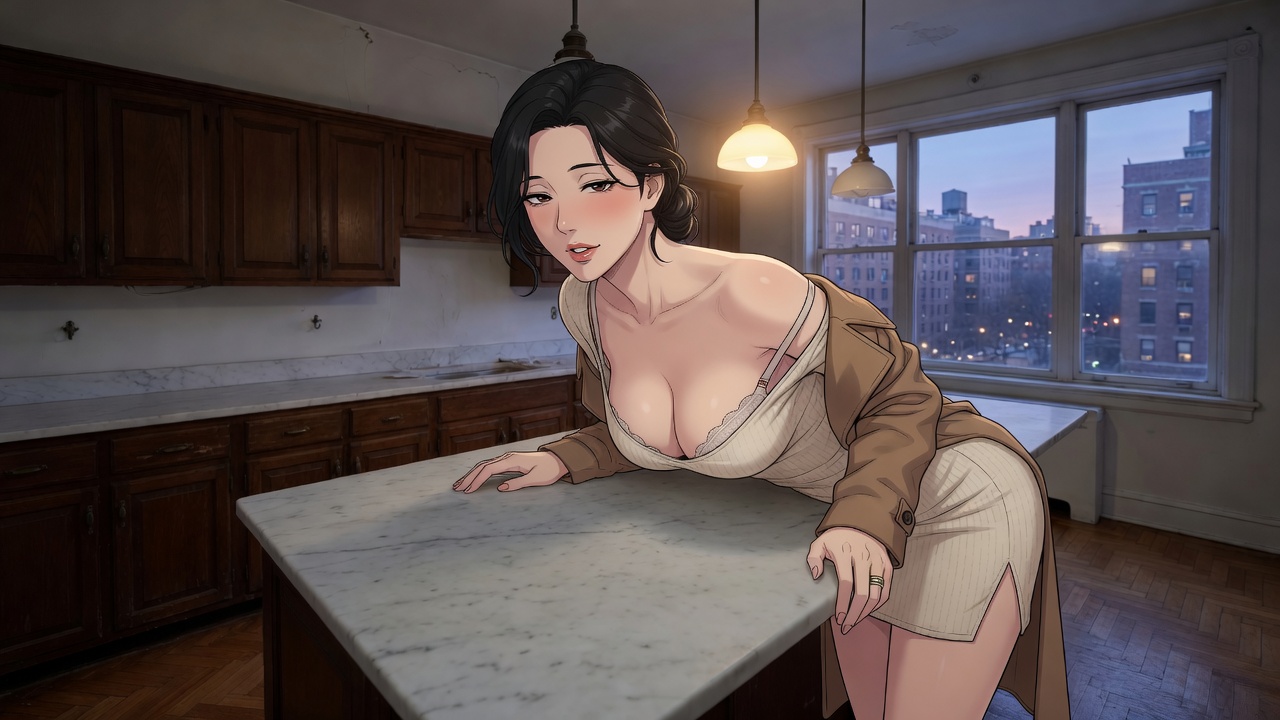
Vacant Tour
A vacant Upper West Side two-bedroom. A married landlord sets the spare key on the island. “The tenant is tomorrow.” Take the elevator and the night is just an application.
Every story is completely free to read. No paywall, no account.